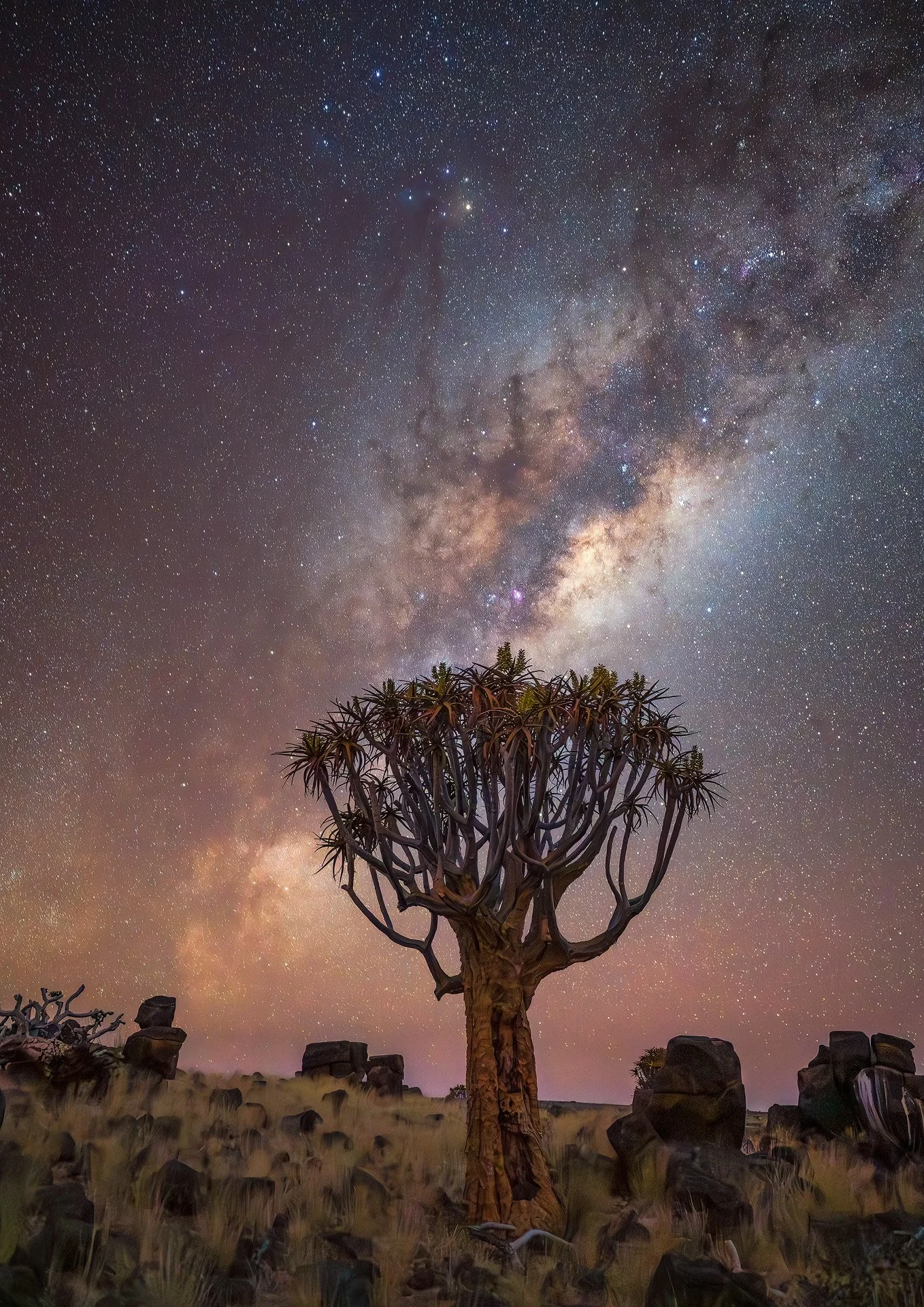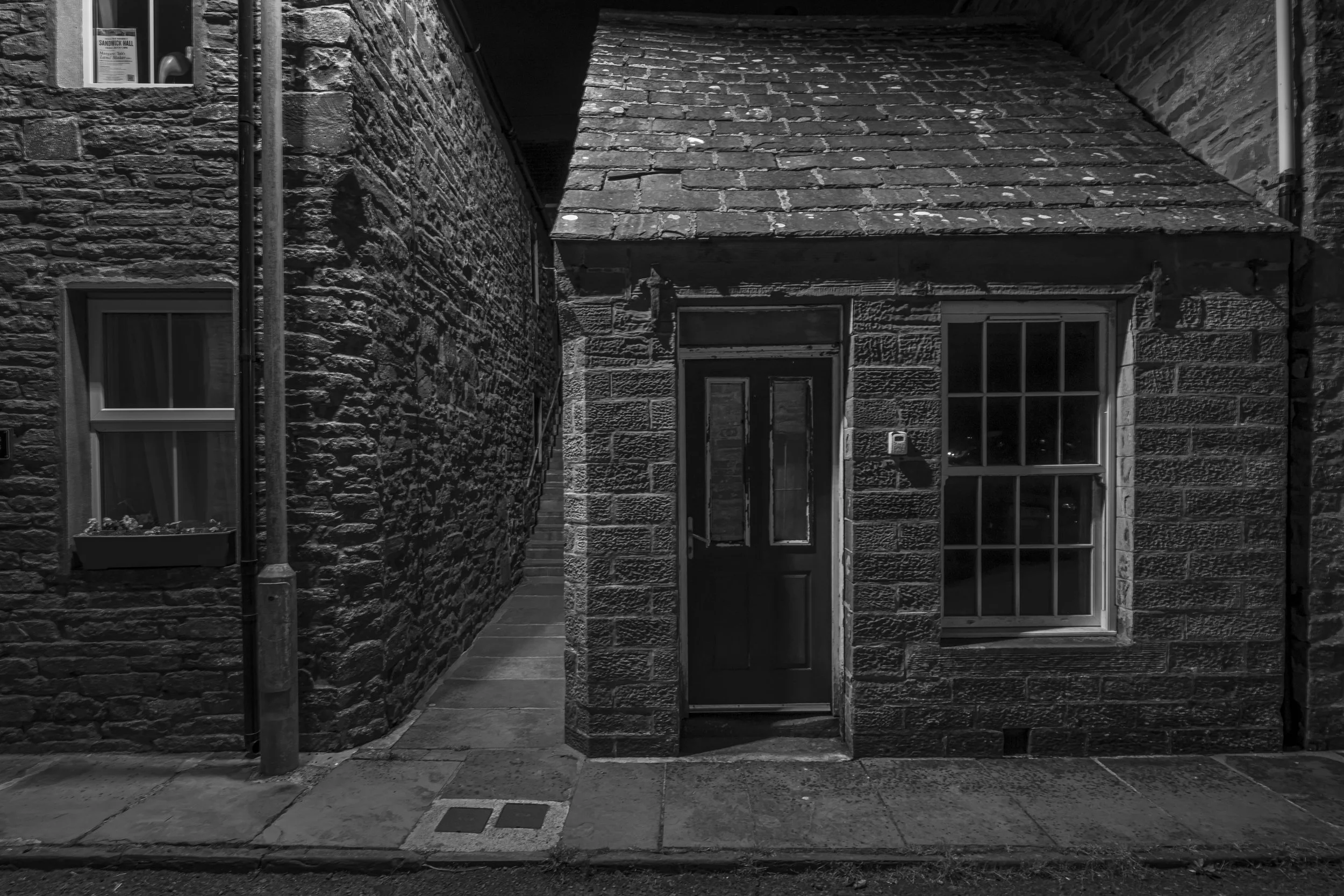
The 12th Round: Announcing Our New Season of Workshops and Tours

Twelve is a very significant number that symbolizes a full cycle.

Twelve hours are displayed on the face of an analog clock.

Twelve months make a year.

Twelve signs comprise the zodiac, whose celestial bodies sparkle in our night skies.

And for us at National Parks at Night, next year will mark 12 years of leading night photography adventure workshops and tours. For a dozen years we have been dedicated to exploring the power and beauty of the night in some of the most spectacular places in the universe.

We couldn’t have made it without you, and we look forward to sharing more adventures and growing even closer together in wild, wonderful places around the world at night.

New Workshops

Welcome to Season 12. In 2027 and ’28 we are offering 28 workshops and tours, which will include seven national parks, eight certified dark sky parks, 13 UNESCO World Heritage Sites, 14 other National Park Service units, and over 40 lighthouses in three states.

Phew! Let’s break all that down.
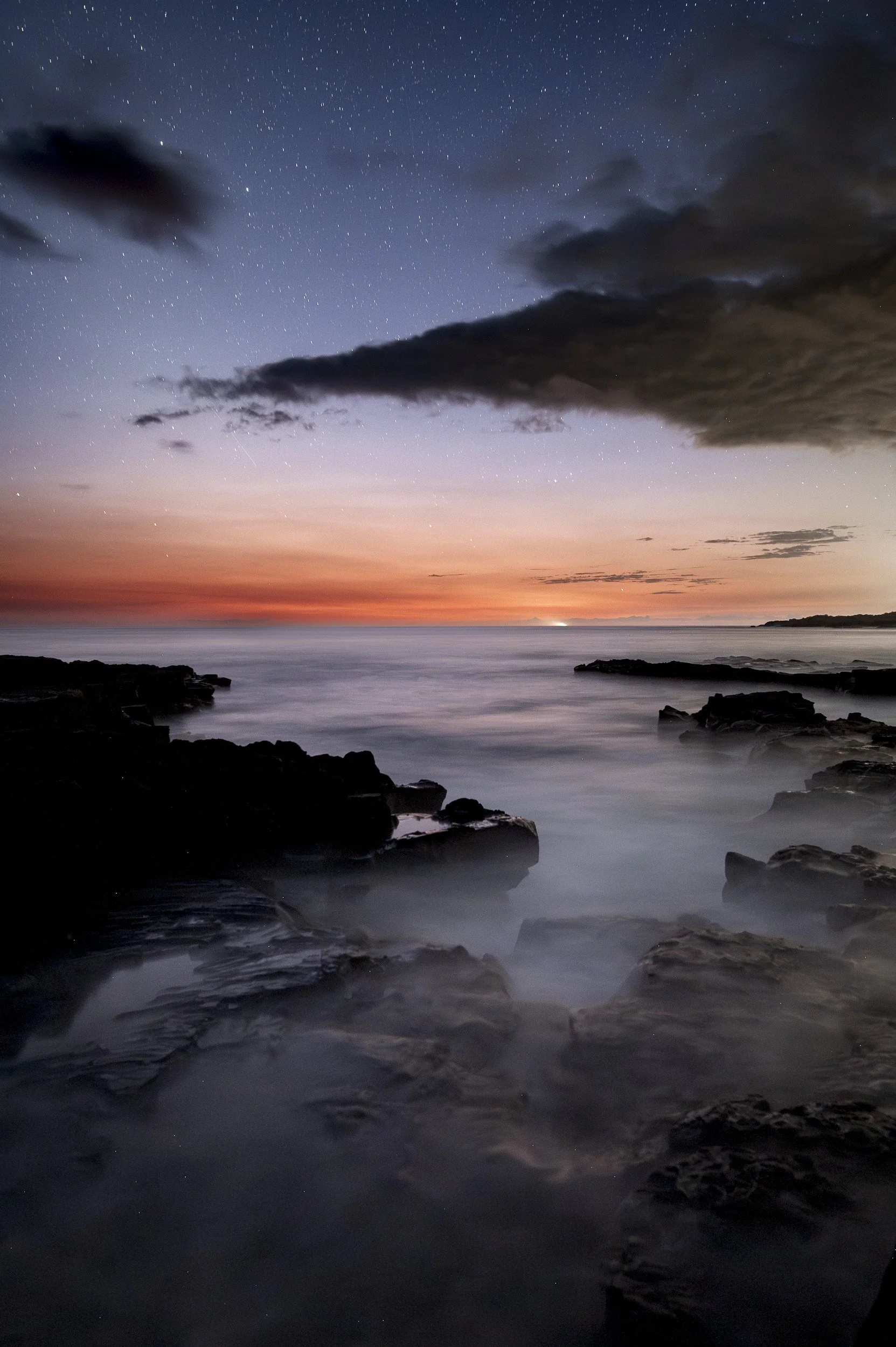
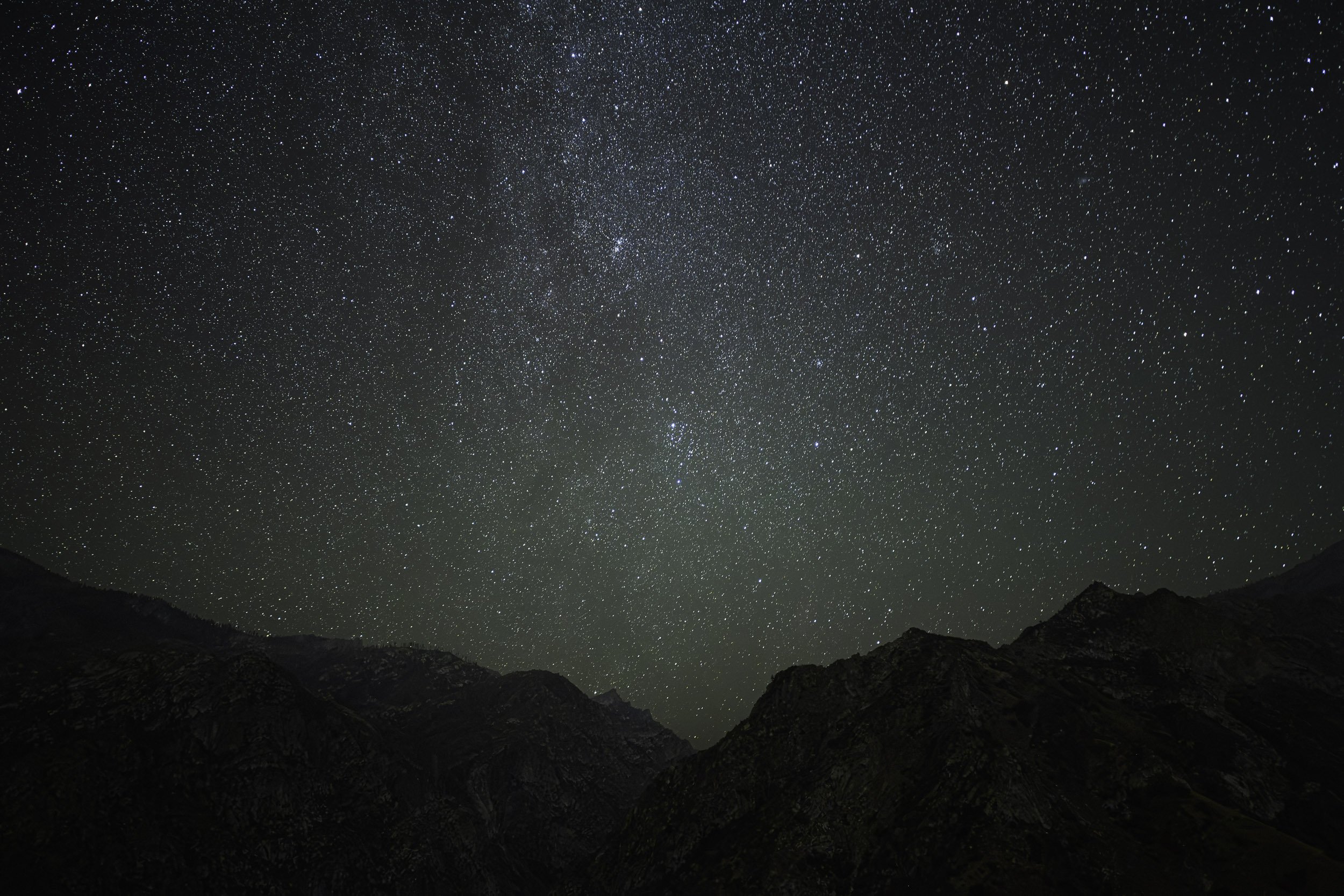
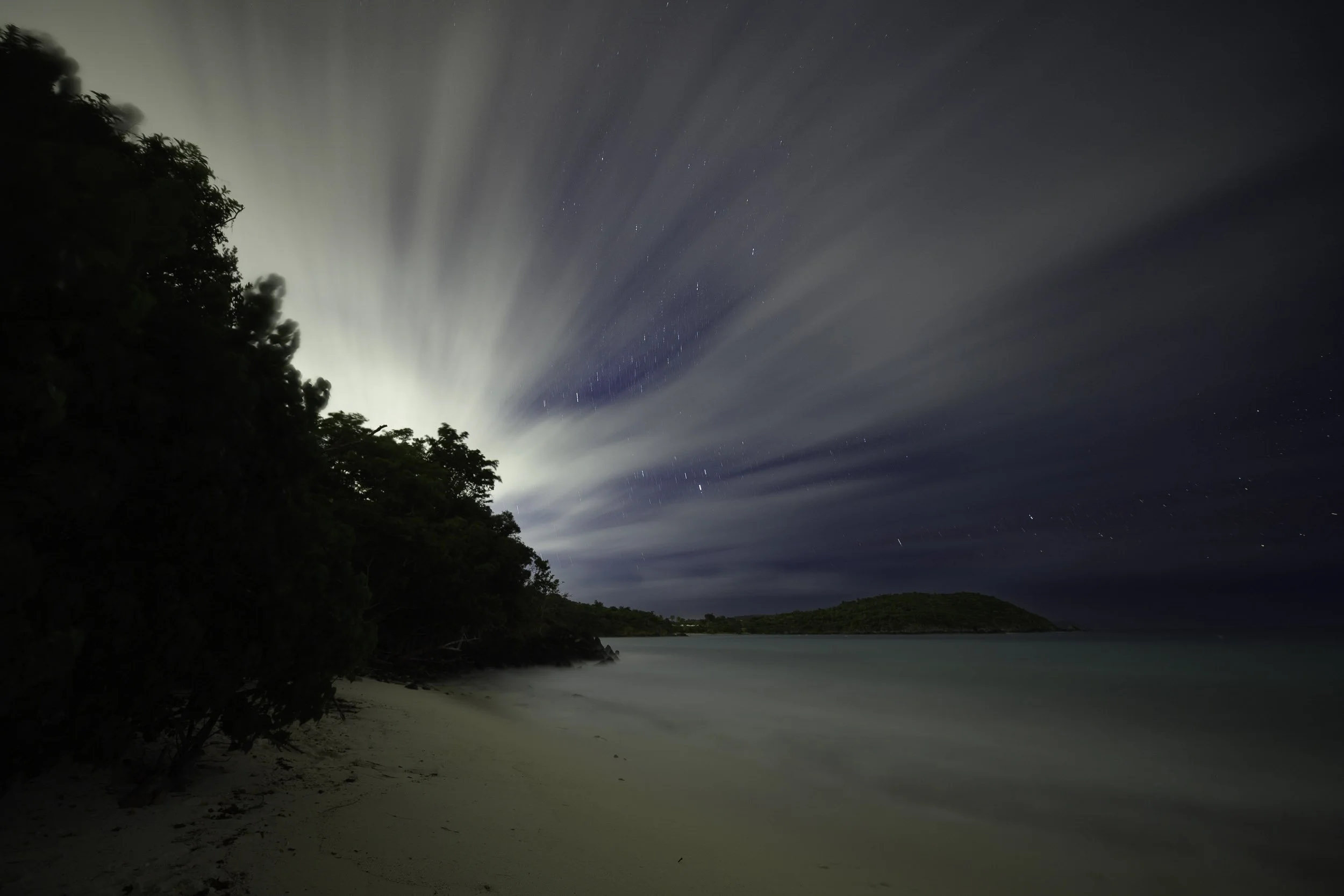
We are finally bringing you to the gold-tier dark skies of Canyonlands National Park and the very dark skies (and tall trees) of Kings Canyon. We are returning to two of our most requested national parks: Arches (for a panorama intensive) and Dry Tortugas (for a boating, camping and lighthouse adventure of a lifetime). Do you prefer to photograph snowy late-winter landscapes at Rocky Mountain or lush tropical scenes at Hawai‘i Volcanoes or the Virgin Islands?

Want to take a road trip adventure? We are continuing our drive down Route 66, this time on one of the darkest sky sections, which will include at least three National Park Service units. We’ll meander up another famous California road, Route 395, and will make many long exposures at the surreal and starry landscapes of the Eastern Sierra. Then we’ll fill the tank one more time and drive down the spine of Michigan’s Keweenah Peninsula on US-41, photographing the rust and ruinism of 19th century copper mines.

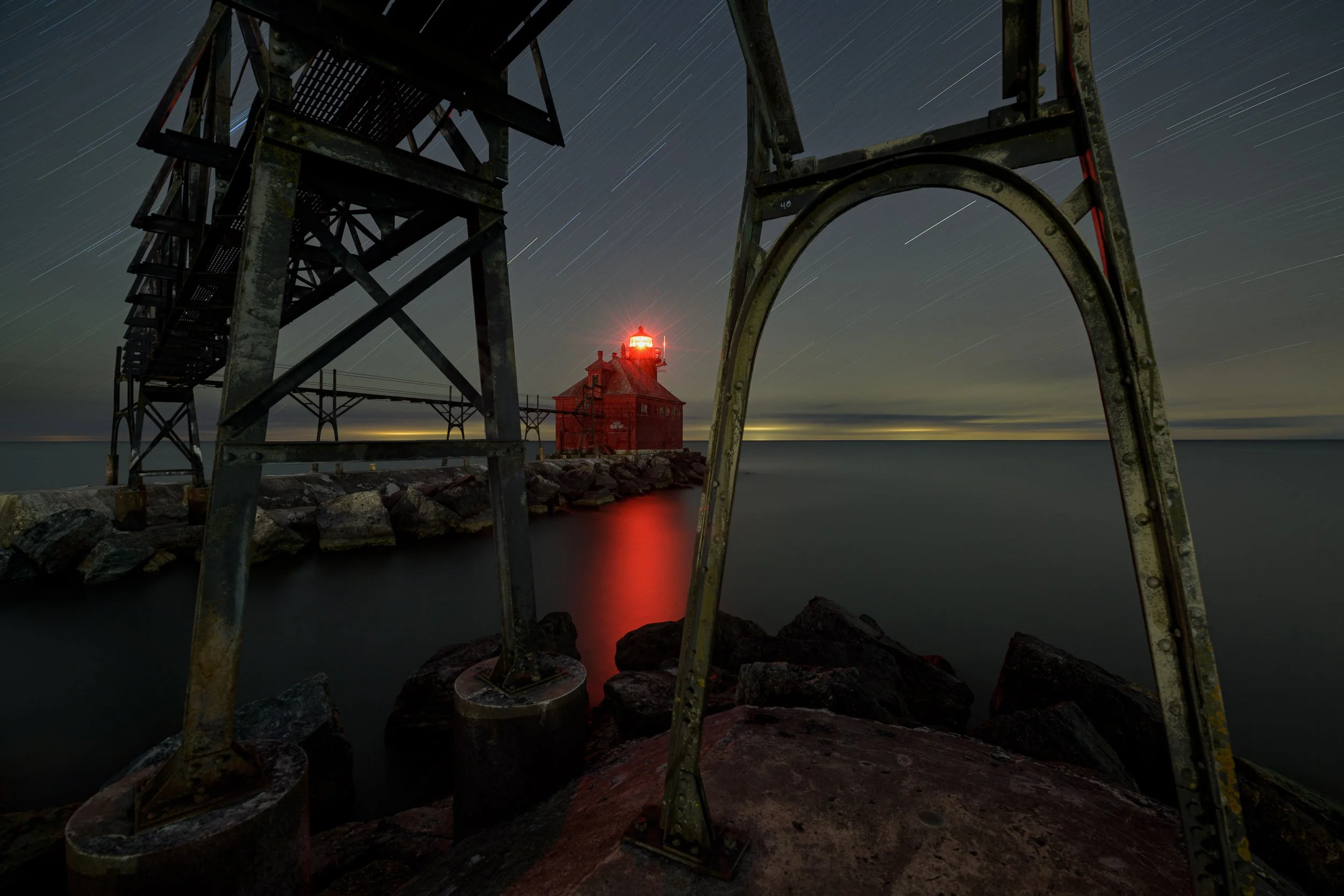
Have you completed your lighthouse passport book yet? Get ready to stamp and shoot the Great Lake lights of Wisconsin and the classic Atlantic beacons in Maine.

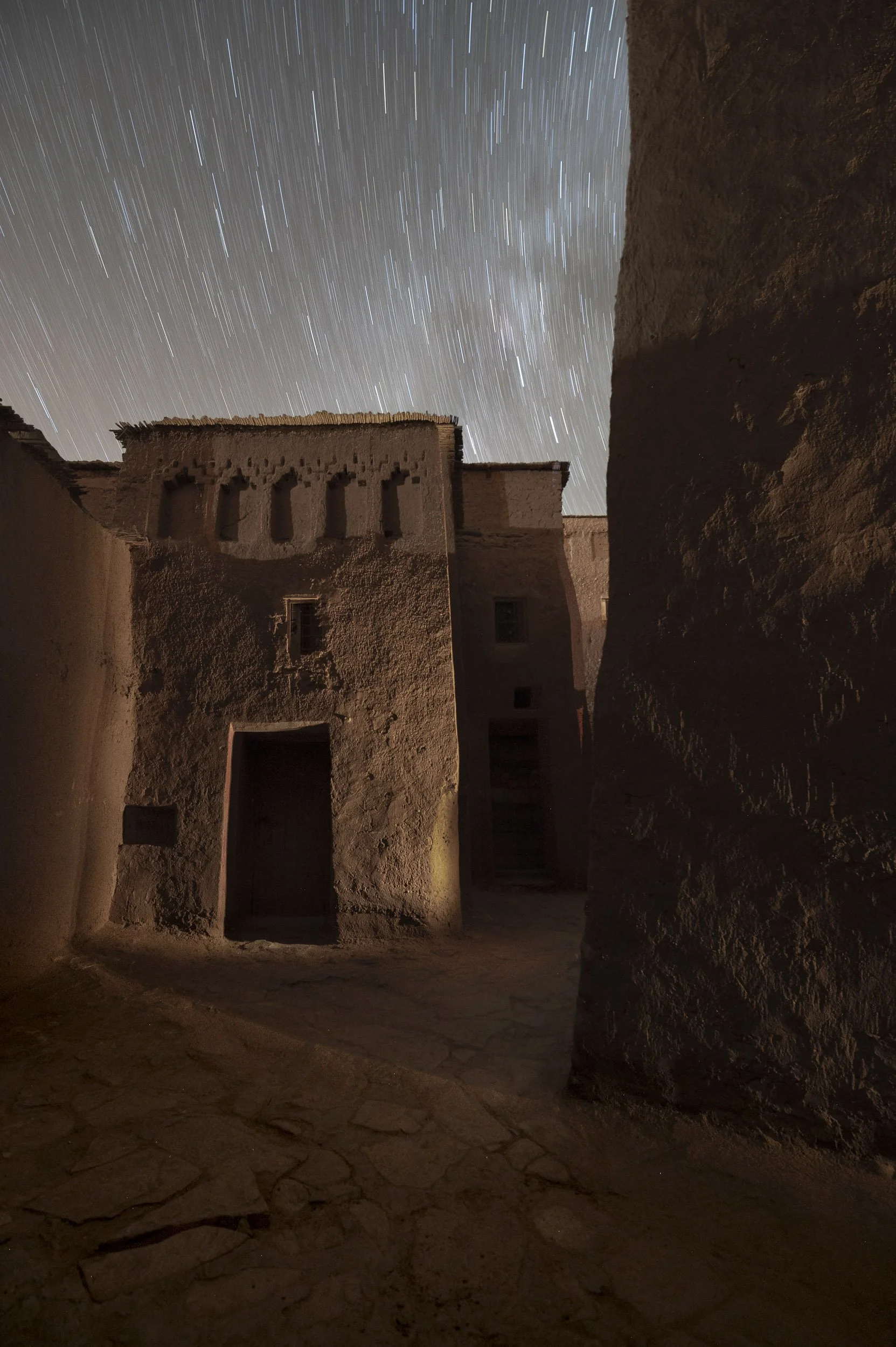
Want to travel abroad and explore UNESCO World Heritage Sites at Rapa Nui, Morocco, Bolivia, Orkney or Namibia? Or chase eclipses in Egypt or Australia? Or seek out auroras in Iceland and Lofoten, this time with autumnal vibes?

We are also honing in on specific skills at some workshops, such as teaching panoramas in Catskill, New York, and in Ouray, Colorado. Stretch your monochrome visions in Savannah or level up your Photoshop skills in Salt Lake City. And gain more confidence with your light painting in Terlingua.

Finally, we are doing a workshop in a place that many of us call home: the city that never sleeps, New York, New York. It has one World Heritage Site and eight National Park Service units. Urban night photographers flock here to find the best vantage points for car trails, moon alignments against skyscrapers, and countless colossal bridges.

A Few Notes

How are Some Already Sold Out?

As a special thank you to those who attend our workshops and who subscribe to our email list—every year we announce our itinerary to them before “going public.” This year, as usual, our community has committed very strongly to many of the workshops. (Our gratitude is infinite.) Because of that, 14 of our new trips sold out during the past week. Additionally, five were announced last year and sold out some time ago.

Still, as of press time, eight of our Season 12 workshops and tours have seats left, so it’s easy to join us in amazing places such as Namibia, Wisconsin, Kings Canyon and more.

And if you really want to go to one of those sold-out places with us …

We Can’t say it Enough: Use the Waitlist

Spots open up for almost every workshop, and those spots always get offered to the waitlist first. In the past year alone, dozens of photographers just like you have gotten on a sold-out workshop this way. If you see something you really want to attend and there are no tickets now, we urge you to sign up for the waitlist today.

Seize the Night in Season 12

As we wind down our 11th year, we are looking forward to a winter break from travel, followed by an epic Season 12 full of adventures and stars.

Where will you be joining us? Wherever the destination, we look forward to seizing the night with you soon.
Gabriel Biderman is a partner and workshop leader with National Parks at Night. He is a Brooklyn-based fine art and travel photographer, and author of Night Photography: From Snapshots to Great Shots (Peachpit, 2014). During the daytime hours you'll often find Gabe at one of many photo events around the world working for B&H Photo’s road marketing team. See his portfolio and workshop lineup at www.ruinism.com.

UPCOMING WORKSHOPS FROM NATIONAL PARKS AT NIGHT

Tribute in Light: Years of Remembering and Honoring Through Photography

It’s hard to believe that it’s been 25 years since the fateful day that rocked and devastated not just New York City, but the world.

However, several incredibly positive things happened because of this tragedy:

  • People came together like no other time.

  • We supported each other, we were kind to each other, and we helped each other out.

  • We were one united world.

Another positive was the creation of the Tribute in Light. It first shined its blue beams to the heavens six months after 9/11, on March 11, 2002, and it has been lit every year since on the anniversary of the attacks.

It is a perfect tribute: A twin beacon comprising 88 high-power beams of luminous presence that symbolizes hope, loss and resilience, and that of course fills the empty space in our skyline and our hearts.

I feel blessed each time I experience the Tribute. For the first 10 years, my wife Nancy and I would walk along the Brooklyn Promenade or somewhere in Dumbo, to honor the memories of those lost and to feel the quiet but powerful energy of the light and its effect on the city.

In the early 2000s there were not the mobs of people going out to photograph the Tribute. Digital photography was still in its infancy, plus I think the idea was more about being with your loved ones and feeling the light. It wasn’t until the 11th year that I felt a need to photograph it. I decided to walk over my favorite bridge in the world, the Brooklyn Bridge, and I captured an image that is still one of my top five I’ve ever created (Figure 1).

Shooting from the upper deck, I wanted to get the car trails zooming toward me, and I was careful to align the Tribute lights through the cabling of the bridge. I was able to create this image with a 15-second exposure, which was perfect for the car trails of the oncoming traffic. I’ve known many people who have tried to replicate this image and for some reason the bridge shakes more at this spot and they can barely get sharp images at fractions of a second. I guess the stars aligned for me.

Figure 1. Tribute from Brooklyn. Nikon D700 with a Zeiss 21mm f/2.8 lens. 15 seconds, f/14, ISO 200.

The next year, 2012, I was invited by a good friend who works on the Tribute in Light to photograph from the inside of the setup during a test night. You see, setting up the lights is a huge endeavor. The team works for weeks in advance. About one week prior they start setting up each of the 88 7,000-watt Xenon rocket-ship-like fixtures, and they start shooting beams into the sky so they can focus the lights.

Figure 2. Fisheye shot of the actual Tribute in Light source. Fujifilm X-T1 with a Lensbaby 8mm fisheye lens. 5 seconds, f/11, ISO 200.

Figure 3. The Beacon. Fujifilm X-Pro1 with a Fujifilm 18mm f/2 lens. 2.5 seconds, f/8, ISO 200.

This was an experience that is still hard to explain to this day. I was there with Nancy and a few other dear friends who experienced 9/11. We were able to walk within the lights and to see the source of the pure blue light that had inspired and cured us of some of the heartache of the decade prior. It was spiritual, cleansing and inspiring all in one. I saw the Tribute from a whole new point of view and tried to capture it in a way that still beckoned me like a beacon (Figures 2 and 3).

It was now becoming a project. I was looking for all the different vantage points I could capture the Tribute from. Nancy’s office had an amazing rooftop view of downtown Manhattan that included the warm lights of car traffic leading to the colorful Freedom Tower just being built (Figure 4).

Figure 4. The Scoop. Fujifilm X-Pro1 with a Fujifilm 18mm f/2 lens. 15 seconds, f/11, ISO 200.

Figure 5. Tribute to Vega. Fujifilm X-T1 with a Fujifilm 10-24mm f/4 lens. 8 seconds, f/8, ISO 400.

In 2014 an interesting alignment happened. We don’t get to see many stars in the sky in NYC, but on this night and by shooting super wide I was able to include one of the brightest stars in our sky, Vega. (Fun Fact: Vega was our North Star around 12,000 BCE and because of Earth’s axis wobble, it will replace Polaris as our North Star again in the year 13,700.)

Typically, on a clear night, the beams can reach up to 4 miles high and are visible from a 60-mile radius. By photographing this way, with a 15mm lens, it created a rare example of seeing the light not extend infinitely into the sky (Figure 5).

The next year I was invited back to ground zero and was able to bring a few close friends, including National Parks at Night’s Matt Hill. We went on one of the practice nights when the Tribute team worked on focusing the lights. It was incredibly special to share this with them, and I shot this fisheye “usie” standing within the lights (Figure 6).

Figure 6. Usie. Fujifilm X-T1 with a Lensbaby 8mm fisheye lens. 1/2, f/11, ISO 1600.

Figure 7. Tribute with Rain. Fujifilm X-H1 with a Fujifilm 18mm f/2 lens. 1/30, f/2.8, ISO 800.

Getting access to inside the lights is a tricky thing. There is no set schedule. I was fortunate to have a good friend on the inside, and he would give me about 24 to 48 hours’ notice about which night they would be focusing the lights. Only people who have lost family and loved ones are allowed into this space on September 11.

When I got the call in 2018 that they would be working on the lights, the forecast was for rain. Well, I’d never experienced the Tribute in the rain, so why not? I packed my gear accordingly and went with a few friends to experience one of the most unique Tribute in Light events to date. By using slowish shutter speeds such as 1/30 of a second, I was able to create the beautiful linear rain drop texture within the beams (Figure 7).

In 2020 Nancy and I ventured back to Dumbo and met with several friends to see and photograph the Tribute. We didn’t know what to expect—would there be the return of thousands of people lining up in Brooklyn Bridge Park? We went to the most popular spot to photograph downtown Manhattan as a backdrop to the iconic pilings. There were a few people, but we got there early enough to stake out our spot. It’s a classic angle for a reason, and I gave the image the black-and-white treatment (Figure 8).

Figure 8. Pilings and Lights. Nikon Z6 with a Nikon 24-70mm f/4 lens. 10 seconds, f/11, ISO 400.

Figure 9. From Manhattan Bridge. Fujifilm X-Pro3 with a Fujifilm 18-135mm f/3.5-5.6 lens. 10 seconds, f/11, ISO 800.

It did end up getting crowded a little later and we decided to try another vantage point, this time from several hundred feet above sea level: the Manhattan Bridge. From there you get an amazing view of Dumbo and lower Manhattan, but photographing through the wire fence can be tricky. You need to use a small lens or use one of the unofficial cut windows, which is what I needed to do to get this shot (Figure 9). 

Last year I was invited back again as the spotlights were focused on their search for the heavens. I was there on their first night of testing and only a few lights were on. I pushed myself to capture them as creatively as I could, and I pulled out all the tools and tricks from previous years: the Insta360, Lensbaby and intentional camera movement keep me clicking long into the night (Figure 10).

Figure 10. Lensbaby Lights. Nikon Z8 with a Lensbaby Sweet 22. 6 seconds, f/3.5, ISO 640.

Figure 11. Tribute and Harvest Moon. Nikon Z8 with a Nikkor Z 24-70mm f/4 lens. 1/15, f/10, ISO 640.

Then something magical happened. Only eight of the 88 beams were lit that night, yet I was able to align one of them with the rising harvest moon (Figure 11).

I stepped inside the lights one more time, amid a flood of memories and so many emotions: loss, honor, war, chaos, hope. We need to remember that light is always a beacon and it should inspire us to search for beauty in the darkness.

Gabriel Biderman is a partner and workshop leader with National Parks at Night. He is a Brooklyn-based fine art and travel photographer, and author of Night Photography: From Snapshots to Great Shots (Peachpit, 2014). During the daytime hours you'll often find Gabe at one of many photo events around the world working for B&H Photo’s road marketing team. See his portfolio and workshop lineup at www.ruinism.com.

UPCOMING Workshops FROM NATIONAL PARKS AT NIGHT

Sun Stories: Two Takes on Eclipsing in Spain

It’s been just over a week since we experienced Spain’s first eclipse in over 100 years with an amazing group of National Parks at Night photographers.

It had all the feelings: Anticipation. Stress. Excitement. Stress. Thrill. And the moment itself—the release of it all. Light like we’ve never seen, felt or experienced before. And all in a minute and 20 seconds!

Throughout the experience, we were in a frenzy of clicking, bracketing, oohing and ahhhing.

What was so special this time was that the eclipse was low in the sky, only 6 degrees above the horizon.

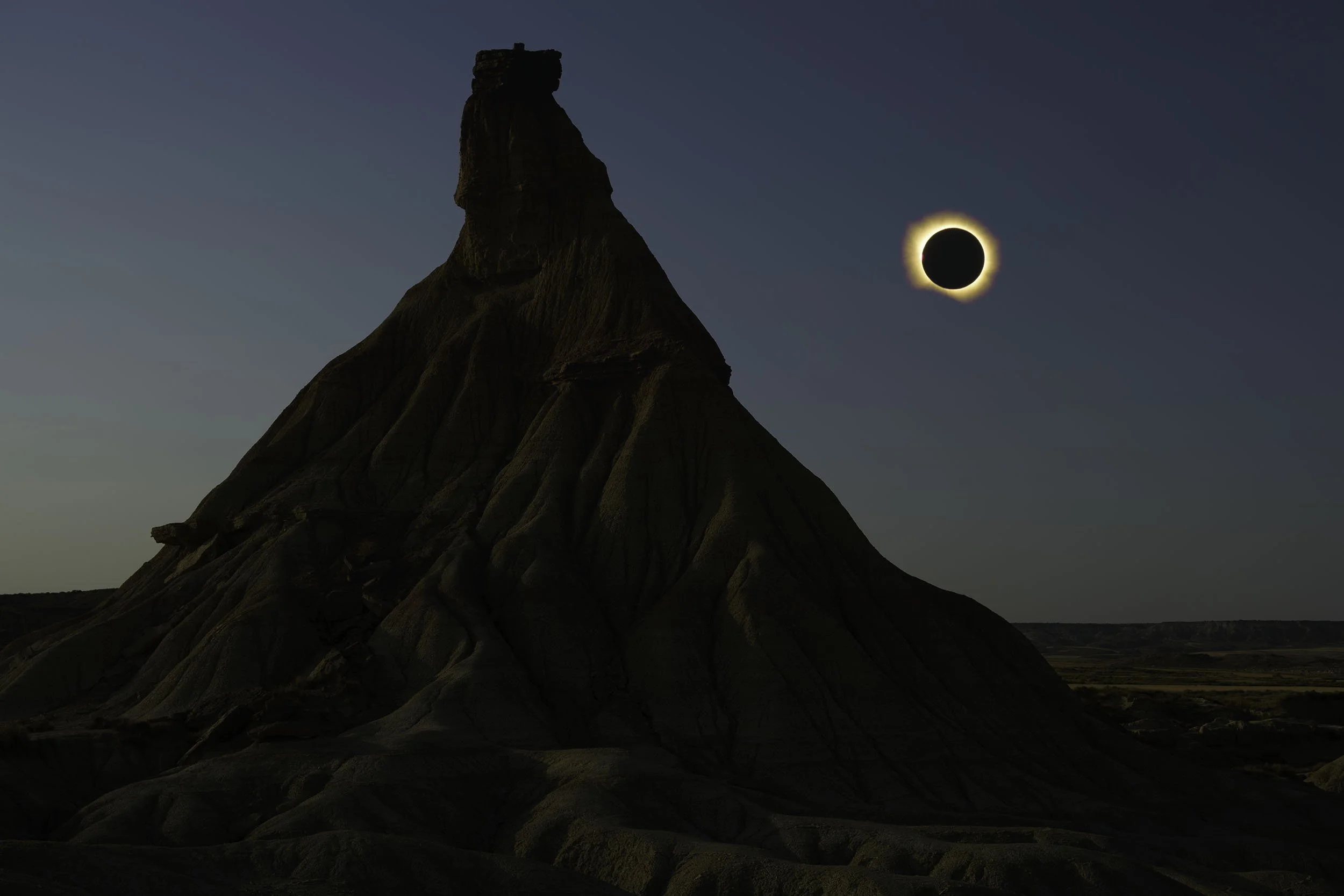
We were just outside the Bardenas Reales Nature Reserve, which, unfortunately just a couple of weeks prior, had decided to close to the public for the eclipse. The legitimate fear of wildfires and recklessness had “eclipsed” some of their enthusiasm for welcoming thousands of chasers. It was unfortunate, because we had dreams of our group making images such as this fantasy composite (we can dream) of the reserve’s iconic Castildetierra rock formation:

Castildetierra in Bardenas Reales Nature Reserve fantasy-composited with the total solar eclipse photographed the next day.

Moreover, concerned Spanish authorities were placing rigid restrictions on where people could view the eclipse in the area, limiting activity to designated roadside pullouts and the like.

Fortunately we had a Plan B. We had rented the unique Hotel Aire de Bardenas just outside of the park, where we could set up comfortably in relative privacy. The day was clear and hot, reaching 107 degrees F, so access to shade was a blessing.

The eclipse first contact started at 7:33 p.m. Totality started at 8:28. It lasted 1 minute, 20 seconds, and the sun set as a quarter eclipse along the horizon at 9:04.

I was leading this trip along with Chris Nicholson, and below we each discuss a photo we created.

Gabe’s Photo

This was my fourth eclipse, and it was by far the shortest. But it was also the most unique, because it was a sunset eclipse.

We didn’t have a great wide-angle foreground, so I focused on capturing the event with my Nikon 100-400mm telephoto lens zoomed all the way out at 400mm. With that focal length, I was able to hone in on the distant hills of the region.

Capturing a close-up of the eclipse almost always means the rest of the scene is black, but including a sense of place was important to me. To accomplish that, I photographed the eclipse with my astro-modified Nikon Z 6II camera, and I continued to track the partial eclipse as it set along the horizon. I was mesmerized by the beautiful red-orange three-quarter crescent sunset (Figure 1), so I wanted to combine that with my earlier capture of totality (Figure 2).

Figure 1.

Figure 2.

To create the composite, I processed both images and then placed the total eclipse image over the sunset crescent.

The darkness of totality must be experienced by all, but the most defining part of totality close up is the glow of the sun behind the moon. I wanted to extend that luminous glow to the rest of the image to create this different take on the eclipse.

Eclipse setting over the hills of Spain. Astro-modified Nikon Z 6II with a Nikon 100-400mm f/4.5-5.6 lens. Two frames blended in Photoshop. Sun: 1/125, f/8, ISO 3200 with a Thousand Oaks Optical Solarlite solar filter; foreground: 1/1000, f/5.6, ISO 100.

Chris’ Photo

Like Gabe, I didn’t feel drawn to creating just a full-frame portrait of the eclipse, but rather wanted to make a photo that had a sense of place. To achieve that, I set up with a relatively short Nikon 24-70mm lens, zoomed out to 70mm. That allowed me to frame the landscape—a foreground farm field, backed by the hills and some windmills along the ridge—while still shooting with a focal length long enough so that the sun wouldn’t look tiny in the composition.

I set up my camera to shoot a five-frame bracket of shutter speeds, with each two stops apart (i.e., 1/2, 1/8, 1/30, 1/125 and 1/500) to make sure I got a good exposure at each phase of the eclipse, then I set my intervalometer to repeat that bracket every 2 minutes. When totality happened, I removed the solar filter and closed down the aperture from f/8 to f/16. After totality I replaced the filter and let the sequence keep running. The only adjustment I made was to increase the ISO (from 100 to 200 to 400) as the sun grew darker while approaching the horizon.

In Photoshop I composited 19 of the eclipse photos, masking out everything in each frame except the eclipsed sun, then changed the blending mode to Lighten. I layered the eclipse sequence over a foreground exposure that I’d made after sunset, then made a minor adjustment to lighten the landscape.

The one problem remaining was that the Lighten blending mode hid the darkened moon in the total eclipse. To fix this, I made a copy of the totality layer, changed its blending mode to Normal, then masked out everything except the dark moon. The result looked fake because the moon was too black against the rest of the scene, so I reduced the opacity to achieve a more realistic-looking result.

Eclipse phases over a Spanish landscape. Twenty frames blended in Photoshop. Nikon D5 with a Nikon 24-70mm f/2.8 lens. Sun phases: 1/125, f/8, ISO 100-400 with a MrStarGuy Natural Light solar filter; totality: 1/2, f/16, ISO 100; foreground: 1/30, f/8, ISO 200.

Final Thoughts

The primary takeaway from this experience was probably the importance of pivoting around obstacles. We had planned and confirmed our shoot location more than two years ahead and then lost access to it about two weeks ahead. We even got kicked out of the national reserve the evening before while practicing because authorities decided to spontaneously close the park early.

So, knowing how to alter your course is important. Having a Plan B is critical. And trusting that you know your process will always give you the peace of mind needed to succeed amid change.

When totality ended, the group cheered and enjoyed a glass of wine, toasting right there in the field behind our still-clicking cameras. When the eclipsing sun set below the horizon, we shared some tapas, then retired to the pool, where we watched Perseid meteors streak across a clear sky.

Your Experience

Did you get to see and/or photograph this eclipse? We would love to hear your tales and see your art.

Share in the comments below, or on our Facebook page, or on Instagram (tag us @nationalparksatnight #nationalparksatnight #seizethenight). Be sure to share your story too—the technical aspects, the challenge overcome, or a tale of the experience.

Gabriel Biderman is a partner and workshop leader with National Parks at Night. He is a Brooklyn-based fine art and travel photographer, and author of Night Photography: From Snapshots to Great Shots (Peachpit, 2014). During the daytime hours you'll often find Gabe at one of many photo events around the world working for B&H Photo’s road marketing team. See his portfolio and workshop lineup at www.ruinism.com.

UPCOMING Workshops FROM NATIONAL PARKS AT NIGHT

Fantastic in Four Corners: A Nightscaper to Remember

Wow.

Did that just happen?

Did over 250 night-minded people just converge on the in-person 2026 Nightscaper Photo Conference in Farmington, New Mexico? The team at National Parks at Night sure felt a whole lotta of night photography love, enthusiasm and community over our four-day, four-night conference. It had been 18 months since our last gathering, but it felt like just yesterday as we greeted old friends and welcomed many new ones to our interstellar family.

Gratitude

To all who traveled from near and far—thank you! We appreciate the time it took you to get to this dark sky location, as well as the pure passion that you brought to the event. The vibe was contagious as people bounced from session to session, engaging with speakers and each other, planning night adventures, and sharing stories about time under the stars.

Thank you to the 25 speakers who shared their workflows, techniques and visions. The variety of topics certainly inspired us all to go out and explore more. We look forward to reviewing our notes and watching the replays about blending foregrounds, deep space gear, physics, processing, planning, rockets, sketching, seeing, and traveling with NASA!

Collecting speakers’ autographs. Courtesy of Ken Lee.

Other sessions taught us how to level up our YouTube channels, pano techniques, night portraits and cinemagraphs, as well as how to best interpret space weather apps, and how to paint with both light and … well, with paint! Yes, you heard that right, we had a live painting class with astro-artist Cathrin Machin, where in 45 minutes she painted auroras descending upon a mountain range and lake of her creation! And for folks looking to improve their image quality, there was no shortage of processing classes for Milky Way, starlight, deep space and colorful star trails.

It was also so awesome to see so many of the speakers sit in on other sessions, and to make themselves readily available to all during the whole conference.

Katrina Brown sharing her knowledge.

To our 25 sponsors: Thank you! The vendor room was constantly abuzz with attendees trying to find the right tools to assist their night life. It felt like we were at the B&H Superstore with so many products on display, as well as available to loan for night shoots.

Speaking of which, a huge thank you to all the vendors who organized night walks, star parties and meetups after the daytime programming. Not only did you work eight-hour days at a conference but you stayed out late with attendees, showing them how your tools literally help them seize the night.

The Nikon- and Canon-hosted “Why Can’t We Be Friends” collaborative night shoot was legendary! And more intimate night shoots with B&H, Really Right Stuff, Phase One, OM Systems, Spencer’s Camera and Sigma gave everyone at the conference an opportunity to explore the nearby dark skies and unique landscapes with loads of new friends.

Thank you to the ZWO folks who hosted our biggest star party to date. Telescopes, trackers and new tech helped bring distant nebulas directly to our phones!

The National Parks at Night crew with the Bay Photo speakers’ exhibit.

A huge shout out to Bay Photo Lab for creating our first ever speaker gallery. The lobby of the Farmington Civic Center was adorned with 16 20x24 metal prints showcasing the speakers’ unique night visions. Bay Photo also produced our collectable metal badges, as wells as the 40x80 Xpozer print banners that served as signage, helping to direct people around the conference.

Then there were the daily giveaways! Over 45 prizes were given away, plus everyone had the opportunity to get a free 17x22 print from Canon and Red River.

Youth Scholarship

This year we re-introduced the Nightscaper Youth Scholarship, which enables students ages 13 to 20 to apply for an award of a free ticket and lodging so they can attend the conference, all to inspire the next generation of night sky story tellers. Three winners were chosen: Ellory Potter of Pennsylvania, and Sullivan Reilly and Eric Moulton of Utah.

Nikon stepped up in a huge way to help aid the scholarship, both financially and by gifting each Nightscholar with a Nikon Zfc and a 17mm f/1.8 lens. The students soaked in each and every moment during the day and went out shooting with their mentors and other attendees at night. At the end of the weekend they shared their experience eloquently on stage, showing and discussing the breathtaking images they created at the conference.

This all happened after we announced on the first day that from this year forward the scholarship will be named after the person who founded this conference seven years ago. So next time around, you can tell the young night photographers in your life that they can apply for the Royce Bair Nightscaper Youth Scholarship!

Day-to-Day Recap

The four-day conference schedule (May 14 to 17) included two stages with over 35 sessions for nightscapers to choose from. Determining which presentation to attend was a challenge at times, but knowing that all the sessions were being recorded for streaming replays allowed us not to suffer too much from the fear of missing out.

Half of the attendees were new to the conference. It was so amazing to see our night community come together and share so much information and so many images and stories in the hallways between sessions, over the many meals we shared, and of course in between selfies with speakers and with each other!

Speaking of meals, the food was absolutely outstanding and the pop-up with home-made paletas ice cream was refreshing and absolutely out of this world. The pistachio paleta dipped in chocolate and sprinkled in nuts was the first to sell out!

The end of the first day featured the popular “Tales of the Night,” wherein some of the audience had their images projected on the big screen while they took the mic and shared their story behind the shot. This made everyone feel right at home under the same night skies we have all experienced.

Sharing a “Tale of the Night.”

After the first night’s welcome dinner, it was time to party under the stars. The Farmington Civic Center turned off their courtyard lights and we walked out back to an epic star party with ZWO, B&H and several of the speakers. Some attendees brought their smart telescopes too, and we peered into the universe with over a dozen telescopes aimed at constellations and nebulas. Many attendees were excited to test out the recently released ZWO S30 Pro to capture images of deep space.

ZWO also partnered with speaker Roi Levi to show how we can capture solar imaging during our lunch break on Saturday. One S30 Pro was aimed at the sun for attendees to easily take a closer look at the sunspots while Roi ran a monochrome telescope rig showcasing how to capture tremendous amounts of detail of the solar prominence.

Each night, almost everyone went out shooting in areas such as Bisti Badlands, Arch Rock, Cox Canyon and more. Besides the vendor-organized night walks, the message board in the lobby and the group page on Facebook exploded with ideas, carpools and ad-hoc evening meetups. Everyone agreed we could take a long nap the week after Nightscaper!

Night-shooting with the sponsors in Four Corners. (Courtesy of Brandon Remler.)

For those who didn’t stay out too late, we offered Morning Add-On Sessions for people to level up their processing, dive further into PhotoPills or receive a portfolio review from one of the speakers.

The Nightscaper Conference is much more than learning about astronomy and night photography. It’s also about getting to know each other, sharing our stories, and going out to safely explore the night skies together.

Congratulations to all the nightscapers who immersed themselves at the 2026 conference. The love and inspiration we felt reminded each and every one of us that we are not alone in the universe—we are night-minded and united with a common passion. Remember to keep on stretching and reaching for those stars!

Until Next Time

Whether or not you attended the Nightscaper Conference this year, we are all connected. There is a comfort knowing we are not the only ones who have a passion for staying up all hours of the night. We invite you to join the conversation either in the comments below or by tagging @nightscaperconference and #nightscaperconference socially when you share your images and stories.

If you are interested in watching any of the sessions from Nightscaper 2026, you can still purchase a Replays Ticket here. The replays will be available for streaming for one year after the conference ended.

Lastly, save the date—our next Nightscaper Photo Conference family reunion will be in September 2027.

Stay tuned to this blog for more!

Gabriel Biderman is a partner and workshop leader with National Parks at Night. He is a Brooklyn-based fine art and travel photographer, and author of Night Photography: From Snapshots to Great Shots (Peachpit, 2014). During the daytime hours you'll often find Gabe at one of many photo events around the world working for B&H Photo’s road marketing team. See his portfolio and workshop lineup at www.ruinism.com.

UPCOMING WORKSHOPS FROM NATIONAL PARKS AT NIGHT

A Winter Gathering: Announcing the Sixth Annual Night Photo Summit

Looking to kick off the new year by leveling up your night photography skills?

Well then, we have the ticket for you!

Now in its sixth year, our international and virtual Night Photo Summit will stream live to your living room (or your hotel, or your coffee shop, or wherever else you like to sit with your screen), February 13-15, 2026.

We have searched the universe for the absolute best instructors that will offer a variety of topics, from astrophysics to astro-landscape! They’ll dive into deep space gear, best practices, travel and more. Experts will guide you through processing sessions on focus stacking, PTGui, smart objects, timelapses, masking and noise reduction.

All in all, we’ll have over 40 speakers and more than 45 hours of education to inspire you—not only for the weekend of February 13, but for the whole year. Your ticket to the Night Photo Summit gives you unlimited access to watch and rewatch all the recordings for 12 months after the conference!

Beyond the education there will be virtual breakout rooms to confab with speakers after their classes, or to just meet up with like-minded folks. We also have some pretty fun virtual parties, and as many as 75 giveaways that could total over $15,000!

So join the inspiration and education, the camaraderie and fun, known to the universe as the Night Photo Summit. If you love the night, you’ll want to be here!

The Amazing Speakers

We have felt immensely blessed to be able to work with so many top-notch speakers for the summit, and this year is no different. In addition to several returning presenters, attendees will get to learn from and interact with new voices too.

The 2026 summit will see 17 returning veterans: Adam Woodworth, Chris Nicholson, Dan Zafra, Erik Kuna, Forest Chaput de Saintonge, Gabriel Biderman, Lance Keimig, Matt Hill, Marybeth Kiczenski, Mike Shaw, Pete Mauney, Prince Berkoh, Rachel Jones Ross, Russell Preston Brown, Susan Magnano, Tim Cooper and Vincent Ledvina.

And we're also excited to be welcoming 14 new speakers: Angel Fux, Chantal Levesque, Fiona Otway, Geoff Decker, Gordon Lau, Ian Lauer, Jacob W. Frank, Jason D. Page, Jenna Dixon, Lori Grace Bailey, Mikko Lagerstedt, Or Graur, Richard Tatti and Stephanie Vermillion. Just wait till you see what they are bringing to the table. …

Sessions

Sessions focused on capturing and creating in the field include: auroras, light writing, Low-Level Lighting, lightning, light pollution, urban and winter landscapes, and taking a closer look at the Milky Way with a 50mm lens.

Get inspired with additional talks on AI, astro-tourism, national parks, dog portraits (!!!) at night, plotting moon alignments, weather planning and everyone’s favorite, how to get your night photographs published.

How to Join Us

If you’re into night photography, or if you want to get into it, this is an event you absolutely do not want to miss.

Tickets are $399, and include:

  • three days, more than 40 instructors, over 45 hours of inspiration, instruction and fun

  • a Fundamentals series of video classes for newbies or anyone who wants a refresher

  • one year of access to re-watch all of the presentations

  • live image reviews

  • exclusive glow-in-the-dark summit T-shirt

  • personal access to product experts from manufacturers and developers sponsoring the event

  • giveaways throughout the duration of the summit

  • an unparalleled opportunity to connect with like-minded photographers passionate about the night

Moreover, if you purchase your ticket by January 16 at noon EST, you’ll get your shirt and a swag box before the summit!

(Note: Shirts and swag boxes will be mailed only to attendees with U.S. addresses, but we may be able to help those from other countries too. We’ll be in touch with more info after you register.)

Registration is available now, so sign up today and mark your calendars to join National Parks at Night for the world’s sixth online Night Photo Summit!

JOIN US ON SOCIAL MEDIA

As if all of that is not enough, we’ll be releasing plenty more information over the next few weeks. To stay tuned in to it all, we invite you to follow the summit social media accounts on:

We are very much looking forward to seeing you online next month. In the meantime, feel free to ask us any questions via the social media accounts above, in the comments below, or through the Night Photo Summit webpage.

Seize the night … online!

Gabriel Biderman is a partner and workshop leader with National Parks at Night. He is a Brooklyn-based fine art and travel photographer, and author of Night Photography: From Snapshots to Great Shots (Peachpit, 2014). During the daytime hours you'll often find Gabe at one of many photo events around the world working for B&H Photo’s road marketing team. See his portfolio and workshop lineup at www.ruinism.com.

UPCOMING WORKSHOPS FROM NATIONAL PARKS AT NIGHT

/*Disables table links opening in new tab on S11 page*/